
Second-Screening Shakespeare
How Renaissance drama anticipated Netflix in holding distributed attention spans...

Over Christmas, I found myself in a conversation with family about so-called “second-screening”: the supposedly modern practice of watching something on one screen while engaging with content on another—streaming a series on the TV, for example, while scrolling through Instagram on your phone.
In some accounts, television programming has taken this new-found habit in mind. PC Mag reported early last year that executives at Netflix instructed writers to “dumb down” shows to accommodate viewers’ divided attention spans: announcing when characters enter the room, for instance, or dictating explicitly the narrative progress and direction.

The language of “dumbing down” is of course morally loaded. And losing nuance in television writing is obviously (one would hope) broadly undesirable. But “second-screening” is hardly a new phenomenon; it’s just new in its current technological manifestation.
I’ve written elsewhere about how Shakespeare plays encode precisely such anchors and cues for early audiences. Those crowds would also have been distracted by the manifold attractions of early commercial playhouses. I showed in my previous book how these spaces accommodated many different types of “play”—drama, yes, but also gaming, fencing, miscellaneous shows and displays, proto-stand-up comedy, and drinking and socialising. Often, some of these elements ran simultaneously. That can make it tricky to focus on a three-hour stage play like Hamlet, especially as our own reverence for sitting quietly and observantly through the length of a dramatic performance was not how early playgoers attended theatre.
The Curtain playhouse (running from c. 1576/7 to the 1620s) is a case in point: it had its main auditorium with seated and standing viewings, alongside an attached area for socialising and drinking. We know playgoers moved in and out, talked, ate, drank, and got up to all sorts during the play itself. Strikingly, plenty came to playhouses to see attractions other than the headline drama. In 1612, authorities complained of those turning up at the end of plays to enjoy the playhouse attractions:
by reason of certain lewd jigs, songs and dances used and accustomed at the playhouse called The Fortune in Goulding Lane, diverse cutpurses and other lewd and ill-disposed persons in great multitudes do resort thither at the end of every play, many times causing tumults and outrages.
In this light, how could one concentrate on a lengthy tragedy or an intricate comedy? Undoubtedly, audiences did. Shakespeare’s contemporary Thomas Nashe reported that performances could be both so delicate and striking as to move onlookers to tears:
How would it have joyed brave Talbot (the terror of the French) to think that after he had laid two hundred year in his Tomb, he should triumph again on the stage, and have his bones new embalmed with the tears of ten thousand spectators at least, (at several times) who in the Tragedian that represents his person, imagine they behold him fresh bleeding. [Pierce Penilesse, 1592, H2r]
But given the liveliness of the playhouse atmosphere and individual’s differing interests, it made both aesthetic and commercial sense to make sure your writing clued the audience in wherever possible.
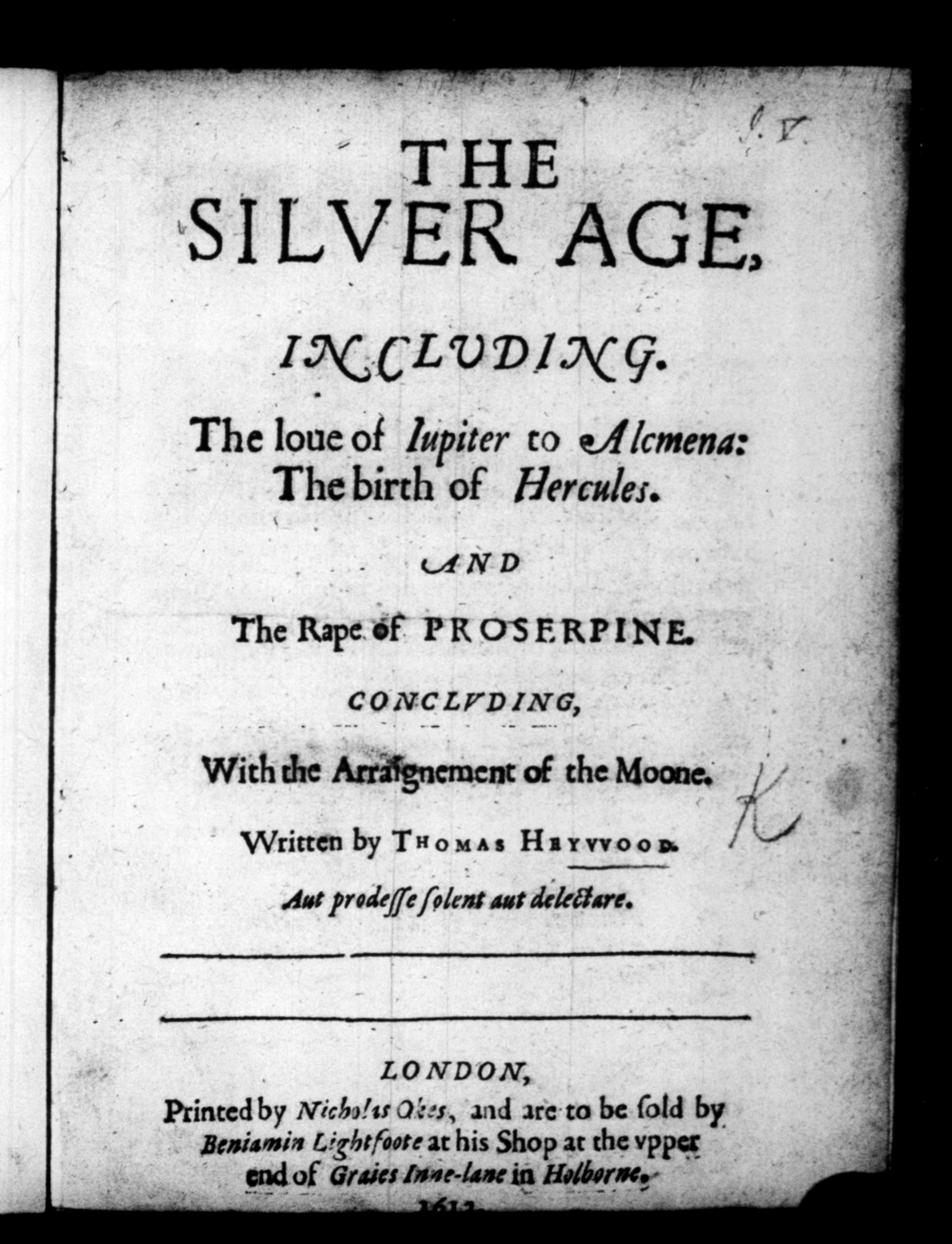
As such, many plays were structured episodically, meaning you could miss an hour and still get something out of the self-contained plot points (much like long-running TV sitcoms): Thomas Heywood and Robert Greene wrote numerous plays in this vein, allowing audiences to dip in and out through their course. Heywood’s Ages plays (which recast classical mythological stories) are a case in point—populated, too, with loud moments of spectacle to arrest the attention.
Even the most eloquent and philosophical of plays can be read in this mode of “second-screening.” Why does Hamlet appear on stage to ruminate so often on inaction? Each of his soliloquies, magnificent as they are in interrogating the human condition and depicting anxious self-scrutiny, work on a practical level, too. They remind audiences: nothing’s happened yet! Don’t worry, you’ve not missed an important murder! Maybe Netflix writers might take a cue from some of the most canonical passages in English Literature if they want to resist accusations of “dumbing down” while still catering to the increasing prevalence of second-screening (perhaps they already do).
Before Christmas, I finished discussing Cymbeline with University of Southampton students. The play has a notoriously long final act, which recounts everything audiences have already seen over the previous two and a half hours or so. What, we pondered, is the purpose of this repetition?
Let’s imagine for a moment we’re back at the “distracted Globe” (to borrow from Hamlet) in 1611, when the physician Simon Forman saw the play. Forman was an attentive playgoer, who recorded synopses at length in his diaries. But even for such a diligent spectator, his accounts are (perhaps inevitably) patchy, leaving out important details and populated with tantalising “&cs”… Surely we can forgive such patchiness. Look around!
Neighbours gossip beside you, a vendor shouts and elbows past to offer fruit or nuts, you think you feel your purse being cut away by a pickpocket but grab it in time, before catching sight of a friend headed round the corner for a pot of ale… and upon returning you’re thrown into Cymbeline’s tricky plot points (relayed equally trickily through Shakespeare’s brilliant and tortuous later-career verse): kidnapped sons, disguised daughters, political manoeuvring, headless body misidentifications… Well… useful to have a summary to bring things together at the close.
Meanwhile, the excessive rehearsing of earlier narrative and call backs fit perfectly into the play’s own obsession with repetition, in both its language and its symbolism. For a play invested in circuitousness, in delaying full access to what we think we already know, what a perfect aesthetic ending this lengthy act proves: “the more delayed, delighted,” as Jupiter puts it in an earlier scene. Dumbing down this is not.
Maybe there’s a way, learned from the entertainment industry of 400 odd years past, of working with second-screening that keeps shows compelling, challenging, and nuanced. Hamlet, after all, has stood the test of time, even if some “lewd” playgoers waited for it to finish before heading in to the playhouse for the jigs and the booze.
I’m off to put the kettle on. Did I miss anything?
Fascinating! Thank you!